

Grief Takes a Community
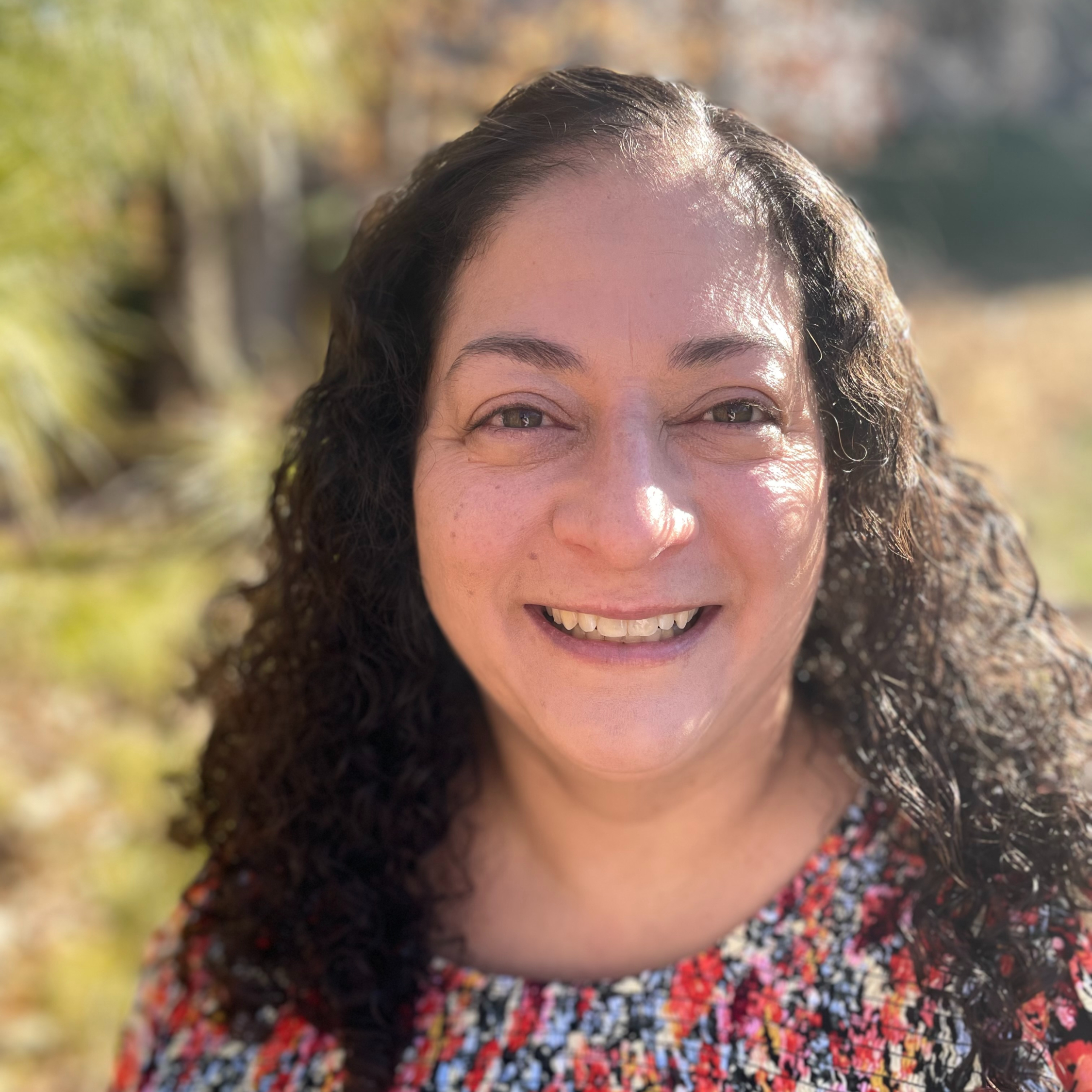
How the Bereavement Coalition of Central Virginia connects people, resources, and professionals to better support those who are grieving

Grief can be a deeply personal experience, but supporting people through grief is something we can do together.
When someone dies, those left behind may need a counselor, a support group, practical assistance, or simply a space where they can talk about the person who died without feeling rushed to move forward. No single person or organization can meet every need. Supporting people through loss requires a community of individuals and organizations who understand grief, offer different kinds of support, and know how to connect people with resources that may help.
That's one of the reasons the Bereavement Coalition of Central Virginia is so valuable.
On October 23, 2026, I participated in A Community of Support: Breakfast and Panel with the Bereavement Coalition at Bliley's Funeral Home. The event brought mental health professionals together for breakfast, networking, and a panel discussion about grief resources, collaboration, and ways to better support the people we serve.
The gathering highlighted what the Coalition makes possible: opportunities to build relationships, share knowledge, and strengthen the network of support available to individuals and families experiencing loss.
What Is the Bereavement Coalition of Central Virginia?
The Bereavement Coalition of Central Virginia is a grassroots network of grief, loss, and bereavement professionals serving the Greater Richmond area. Its members represent a variety of backgrounds, including counseling, hospice care, chaplaincy, funeral services, and support groups.
The Coalition provides opportunities for professionals to connect, exchange resources, learn about one another's work, and build relationships across disciplines. It also maintains a public resource directory to help individuals and families find local grief support and specialized services.
One of the Coalition's greatest strengths is the diversity of people and organizations it brings together. Support for someone who is grieving might come from a therapist, hospice provider, funeral home, children's grief program, or peer support group. By connecting these different perspectives and services, the Coalition helps make the local landscape of grief care more accessible and easier to navigate.
My Connection to the Coalition
My involvement with the Coalition began more than two years ago through educational workshops. Over time, I began attending meetings regularly and later served on the steering committee's social subcommittee through September 2026.
Today, as a Resident in Counseling and Certified Thanatologist with Therapeutic Counseling and Consulting, I am specializing in death, dying, and bereavement. The Coalition has become an important part of my professional journey.
When I share my interest in specializing in death and loss, I sometimes find that others aren't quite sure what to make of it. Being part of a community that understands the importance of this work has helped me feel connected to the path I've chosen.
Through the Coalition, I've built relationships with professionals across disciplines, become more comfortable in funeral home settings, and learned about opportunities to expand my work in grief support.
What I especially value about Coalition meetings is that the conversations go beyond exchanging information. Members have the opportunity to get to know one another, share what brought them to this work, and learn from different professional perspectives. These relationships help build trust and make it easier to identify meaningful connections and resources for the people we serve.
Connecting People With the Support They Need
Through the Coalition's email network and professional relationships, members can ask questions, share recommendations, and learn about resources they might not otherwise know about. This collective knowledge helps professionals identify options that better fit an individual's circumstances and needs.
Grief is not one-size-fits-all. The support someone needs after the death of a parent may differ from what is helpful after the death of a child, spouse, or friend. People may also need different forms of support at different points in their grieving experience.
Having a network of professionals and organizations to turn to helps ensure that these differences are recognized and that individuals and families can be connected with appropriate care.
Building on the Conversation
During the recent panel, we were asked what we would wish for if we had a magic wand to better support people who are grieving. The discussion touched on the need for more accessible grief support, greater education about loss, and additional opportunities for people to connect with others who understand their experiences.
Grief education helps us better understand how people experience loss, recognize when specialized support may be beneficial, and respond with greater compassion. It can also challenge common expectations that grief has a timeline or that someone needs to find a silver lining. People deserve the space to grieve without feeling rushed, judged, or alone.
I was honored to join three fellow panelists for this conversation:
Melissa Ackley, LCSW, Preventative Services Manager with Chesterfield Mental Health
Laura McDonald, LCSW, Overdose and Substance Use-Related Loss Bereavement Services Manager with Full Circle Grief Center
Olga Montgomery, LCSW, Grief Therapist and Owner of Voyager Counseling
Maria DeBonis-Richards, Resident in Counseling and Certified Thanatologist with Therapeutic Counseling and Consulting
In addition to breakfast, networking, and discussion, attendees received resource bags featuring materials from local organizations and providers. These resources offered practical information participants could bring back to their workplaces and share with the individuals and families they serve.
Following the event, a member of the RVA Death Collaborative reflected on being in a room full of providers discussing resources they wished existed in the community and offered an important call to action: How can we help create some of those resources?
The post even raised the possibility of grief fishing trips and support groups for the supporters themselves. I appreciated the spirit behind that response. Identifying a need is an important starting point, but connecting with others and exploring what might be possible is how meaningful change can begin.
That conversation reinforced an important part of the Coalition's value. It isn't just about knowing what resources already exist. It's also about recognizing gaps in support, sharing ideas, and considering how professionals and organizations might work together to address them.
Continuing to Build a Community of Support
The Bereavement Coalition of Central Virginia demonstrates the value of bringing people together around a shared commitment to supporting those who are grieving. Through professional relationships, resource sharing, education, and community engagement, the Coalition helps strengthen the connections between those who provide care and those who need it.
My involvement has given me opportunities to learn from others, expand my professional relationships, and become more connected to the broader community of grief professionals in Central Virginia. I'm grateful for the knowledge I've gained and the opportunity to participate in work that recognizes how important it is for people experiencing loss to feel supported and understood.
Whether you're a mental health professional looking to expand your knowledge of local resources or someone seeking grief support for yourself or a loved one, I encourage you to explore the Bereavement Coalition of Central Virginia's resource directory.
Grief may be personal, but caring for people who are grieving is something we can do together.
Grief takes a community, and building that community is something we can all be part of.
Resources
Bereavement Coalition of Central Virginia: bereavementcoalition.notion.site/rva
RVA Death Collaborative: rvadeath.com
Full Circle Grief Center: fullcirclegc.org
Therapeutic Counseling and Consulting: therapeuticcounseling.org
Voyager Counseling: www.voyager-counseling.com
Chesterfield Mental Health: www.chesterfield.gov/878/Mental-Health-Support-Services

Comments