

When You Start to Feel Like Your Grief Is Too Much

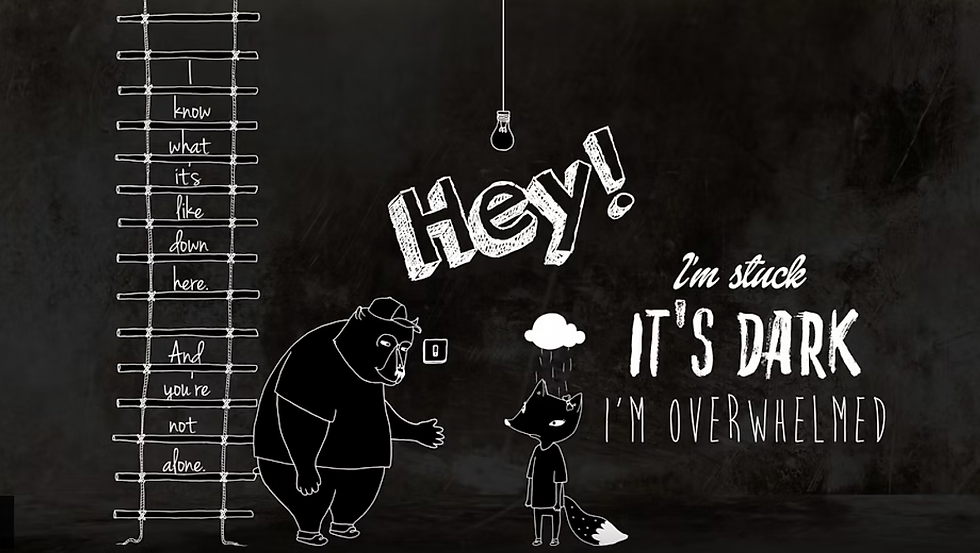
One of the most common questions I hear in grief counseling isn’t about the loss itself. It’s, “Is what I’m feeling normal?” Behind that question is often a deeper fear: that they’re grieving the wrong way, taking too long, feeling too much or not enough. Many begin to judge their grief through the lens of others’ reactions and expectations.
Many people who are grieving quietly wonder if their tears make others uncomfortable. Some apologize for crying before the tears even come. Others question whether they should still be affected by memories of their loved one. Over time, many begin to wonder: Am I too much? It doesn’t always come in those exact words. Sometimes it sounds like:
“I don’t want to upset anyone.”
“People probably think I should be doing better by now.”
“I don’t want people to get tired of hearing about my grief.”
Beneath each of these statements is often the same fear: My grief has become too much for everyone else.
The Compassion We Offer Others
In my work with grieving clients, I often invite them to consider a different perspective. “What would you say if someone you cared about was sitting across from you sharing the same experience?” Time and time again, the response is filled with kindness, compassion and understanding. There is no judgment. No expectation that the person should be “over it.” No criticism for expressing emotion.
Then comes the difficult question: “What makes you less deserving of that same compassion?”
These moments remind me of Brené Brown’s illustration of empathy and sympathy. Although not specific to grief, it captures the difference between feeling pitied and feeling truly understood.
When Grief Starts to Feel Like Something You Have to Hide
One of the heartbreaking realities of grief is that many people begin to edit themselves. They answer, “I’m doing okay,” even when they are struggling. They stop mentioning their loved one’s name because they worry it will make others uncomfortable. They wait until they are alone to cry. Or they save their deepest emotions for counseling sessions or support groups because those are the places where they feel safe enough to be completely honest.
I hear this often from clients and from individuals in grief support groups. They share stories about well-meaning friends and family members who quickly change the subject, offer advice, search for silver linings or unintentionally communicate that it is time to move forward.
Most people are not trying to be hurtful. Often, they simply do not know how to sit with someone else’s pain. But when grief is repeatedly met with discomfort rather than understanding, many grieving people begin to believe their emotions are something they need to manage privately. Eventually, they may not only hide their grief from others; they may begin judging themselves for having it.
The Difference Between Sympathy and Empathy
In her short animated video, Brené Brown describes sympathy as standing outside someone’s pain, while empathy is having the courage to step into it with them. If you’d like to watch her short animated talk, Empathy vs. Sympathy, you can find it here.
Empathy does not require perfect words. It does not try to fix grief or rush someone toward acceptance. Instead, empathy quietly says:
“I’m here.”
“Tell me about them.”
“This sounds really hard.”
“You don’t have to go through this moment alone.”
For someone who is grieving, that kind of presence can feel like a lifeline.
“Tears Are Welcome Here.”
One phrase I often say in my counseling office is: “Tears are welcome here.” Not because I expect every client to cry but because I want them to know they never need to apologize for their emotions. Our culture often sends the message that tears should be controlled or hidden. Over time, many people learn to minimize their emotions rather than express them.
Tears are not something to be ashamed of. Tears are a natural expression of love, loss, longing and the many emotions that accompany grief. In my office, there is no expectation that you need to hold it all together. You do not have to protect me from your sadness. You do not have to worry that your emotions are “too much.” There is room for all of it.
The Power of Presence in Grief
One of the greatest privileges of my work is sitting alongside people in grief and witnessing their stories. Through my counseling training, my work with grieving people and my own personal experience with loss, I have learned that grief is not something to solve.
Brené Brown shares, “Rarely can a response make something better. What makes something better is connection.” I have found this to be especially true in grief. What people often need most is not the perfect words but someone willing to remain present with them.
Many grieving people describe feeling relieved when they can speak with someone who understands the complexity of loss. That connection may come from someone who has experienced a similar loss or from someone who simply listens with openness, curiosity and genuine care. Empathy does not require an identical story. It requires a willingness to be present, to listen and to make space for someone else’s experience.
If You’re Reading This...
If you’ve started to believe your grief is too much for the people around you, please know this:
Your tears are not a sign that you are failing.
Your grief is not something you have to hide or apologize for.
You do not have to earn compassion by appearing “strong.”
Missing someone you love is not something you need to justify.
One of the most painful parts of grief is not only the loss itself, but the fear that your grief has become more than others are willing to hold.
There are people who will sit with your grief without trying to fix it or rush it, people who understand that speaking your loved one’s name is not dwelling in the past but honoring a relationship that continues to matter.
I hope you find spaces where you can show up exactly as you are, where you don’t have to censor your story, where your grief is met with understanding rather than judgment, and where your tears are always welcome.
If this resonates with you and you’re looking for a place where your grief can be met with compassion, understanding and acceptance, I would be honored to walk alongside you. You can learn more about my counseling services or connect with me through my Psychology Today profile, Maria DeBonis-Richards, Resident in Counseling, Richmond, VA, 23229 | Psychology Today, or Therapeutic Counseling and Consulting Maria DeBonis-Richards, MSED, CT She/Her.
You do not have to carry your grief alone.
Ready to Find Support for Your Grief?
You do not have to carry your grief alone. Therapeutic Counseling and Consulting provides compassionate grief counseling for individuals in Virginia who need a safe place to process loss, express difficult emotions and feel supported without judgment.
References
Brown, Brené. “Empathy vs. Sympathy” (animated RSA Short based on The Power of Vulnerability). Royal Society for the Encouragement of Arts, Manufactures and Commerce (RSA), 2013.
Brown, Brené. The Power of Vulnerability. RSA, 2013.https://www.youtube.com/watch?v=1Evwgu369Jw
Image
NVRnorthampton Community Interest Company. (2018, January 24). Empathy vs. Sympathy [Infographic]. NVR Northampton.https://www.nvrnorthampton.co.uk/post/2018-01-24-empathy-vs-sympathy
Written by Maria DeBonis-Richards, Resident in Counseling, Certified in Thanantology.



2v2.io keeps matches focused and energetic, making it an appealing choice for players who enjoy quick battles with clear team objectives.